
Birding Hotspots in The Kawarthas
Change your life; spot a lifer
Whether you are new to bird-watching, or a seasoned birder visiting the area, The Kawarthas offers great birding opportunities. Here are three easily accessible locations, each with unique ecosystems and a fascinating array of species. Our region offers a remarkable variety of landscapes and habitats that attract species from across North America: there is something here for every birder.
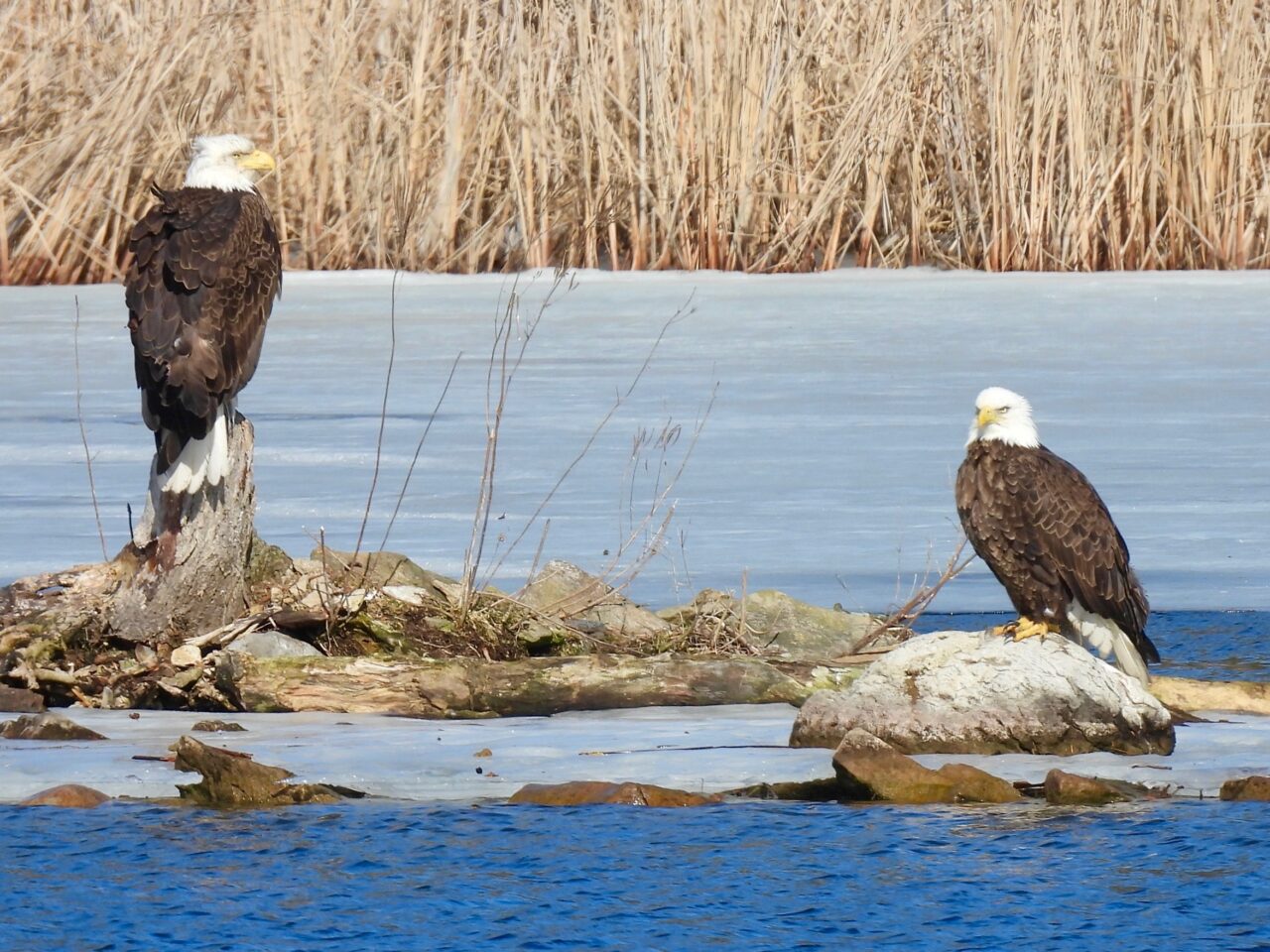
Pictured: Bald Eagle
1. East of Peterborough Airport (Mervin Line, Moncrieff Line, Fire Route 9)
Just east of the Peterborough Airport lies a patchwork of swamps, forests, and open fields that make for excellent, easily accessible birding. While aircraft noise can interfere with sound-based ID apps like Merlin, the sheer density and variety of species more than make up for it. This is an especially rewarding spot for marsh birds and flycatchers.
Key Habitats
- Swampy Wetlands: Home to marsh specialists and such as rails, swamp sparrows, and flycatchers.
- Mature Forest: Good for woodpeckers, warblers, and vireos.
- Brush and Field Edges: Support a wide range of sparrows, yellowthroats, and blackbirds.
Noteworthy Bird Species Spotted Here!
- Virginia Rail: This elusive marsh bird’s pig-like grunt can be heard echoing from reed beds in the spring.
- Common Yellowthroat: Their bright yellow chest and black mask make them easy to find—and they are even easier to hear.
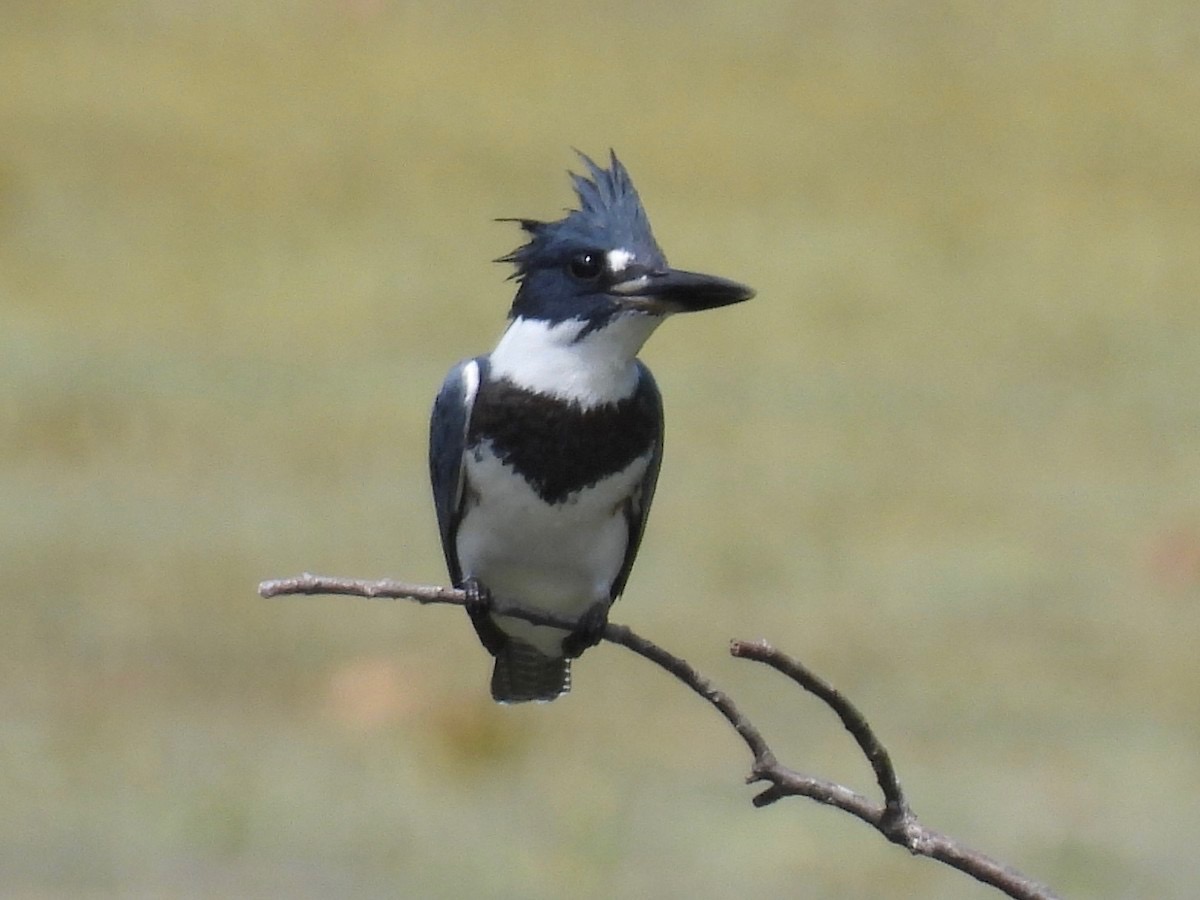
- Belted Kingfisher: Flashy and noisy, these birds hover and dive with pinpoint precision to catch fish in local creeks.
Robin’s Tip!
“One of my favorite spots to just be still and listen is on Fire Route 9 just west of the Otonabee River. With wetland on either side of the road, the river up ahead, and farmland in the distance, there is such a varied habitat here. The longer you wait, the more you can hear and see. Patience is a birder’s best skill.”
Pictured: Belted King Fisher
2. Nassau Mills Road & County Road 32
It may just look like a backroad, but this scenic drive winding along the Otonabee River between Trent University and the town of Lakefield is a magnet for birds and even the occasional rare sighting. There are multiple vantage points to see ducks and other waterbirds, for example, the open water near Lock 25 and Hickey Road attracts an impressive array of species. This is a great lazy drive with several safe pull-offs so bring your binoculars and you might just see something remarkable.
Key Habitats
- Fast-Flowing River Sections: Remains open in winter, crucial for overwintering waterfowl such as common goldeneyes, trumpeter swans, and scaups.
- Riverbanks and Marshy Edges: Used by waders and occasional shorebirds spotted sandpipers, greater yellow-legs, and grebes.
- Adjacent Wooded Corridors: Attracts cedar waxwings, cardinals, and blackbirds.
Noteworthy Bird Species Spotted Here!
- Bald Eagle: A powerful bird of prey easily recognized by its white head and tail, yellow beak, and massive wingspan, it is often seen soaring near bodies of water where it hunts fish.
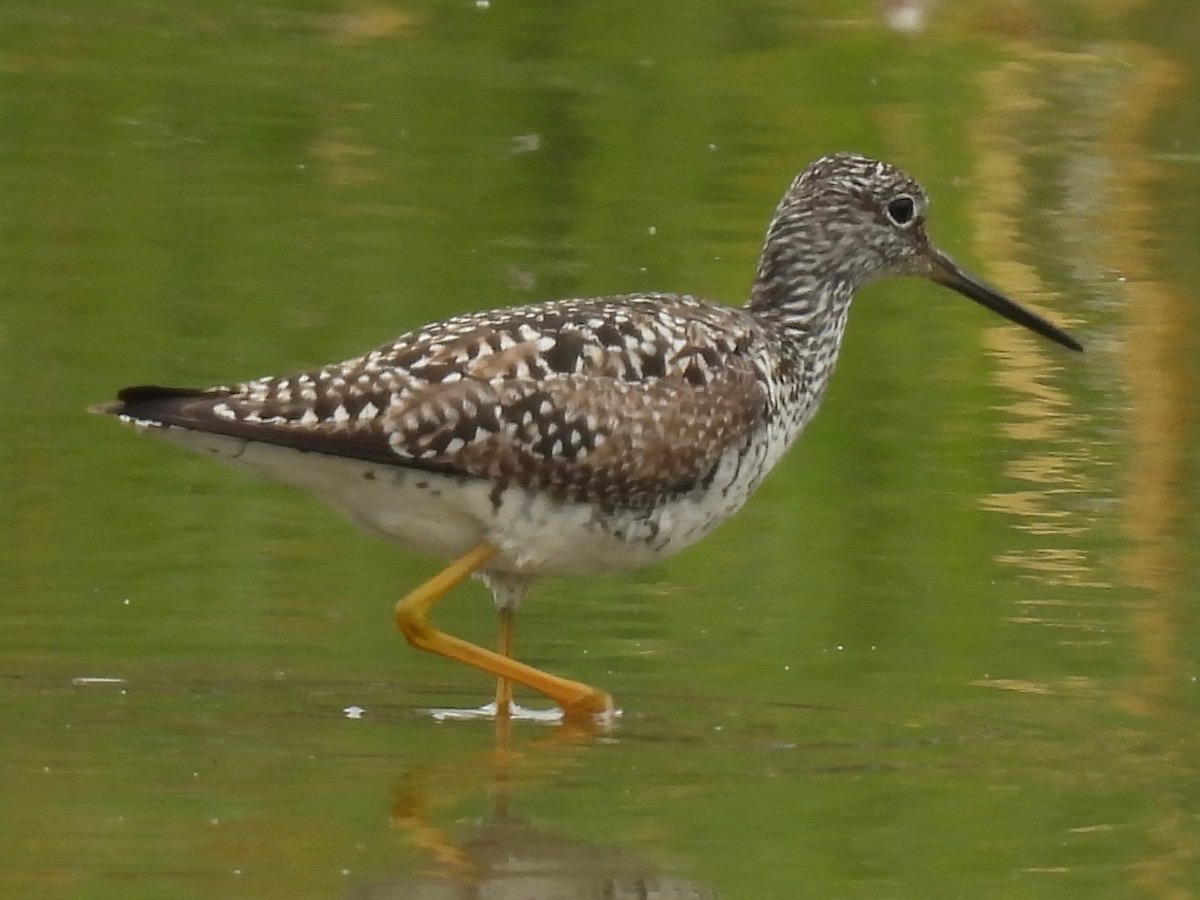
- Greater Yellowlegs: Often found probing shorelines for insects and crustaceans—tall, elegant, and vocal.
- Rusty Blackbird: A declining species that prefers wooded wetlands, offering a special sighting opportunity in spring and fall.
Robin’s Tip!
“When you don’t know what something is, take it to the virtual birding community! I once shared a photograph of a duck I sighted at a pull-off on County Road 32 that I couldn’t immediately identify. After a period of intense online discussion, it was confirmed to be a harlequin duck, the first one spotted in the region in decades!”
Pictured: Yellowthroat

3. Lakefield Sewage Lagoons
Don’t let the name deter you! The Lakefield Sewage Lagoons is among the very best birding spots in The Kawarthas and it is a beautiful spot to spend an hour or an afternoon. With its combination of open water, forest edge, and agricultural surroundings, it creates a habitat mosaic that attracts a rich diversity of bird species. You can focus on the tree line looking for warblers or find yourself mesmerized by the swallows darting over the water. It’s also one of the few places in the region where you might spot every swallow species in a single visit.
Key Habitats
- Open Water Cells: Attract large numbers of waterfowl and migrating shorebirds such as wood ducks, blue and green winged teals, and upland sandpipers.
- Mixed Forest: Supports songbirds like vireos, nuthatches, and warblers.
- Open Grasslands & Farmland: Ideal for grassland specialists like bobolinks and meadowlarks.
Noteworthy Bird Species Spotted Here!
- Northern Shoveler: This duck’s oversized bill makes it easy to recognize—and it’s a thrill to find locally, as it’s not commonly seen in the county.
- Barn swallow: A sleek, agile songbird known for its deeply forked tail, glossy blue back, and graceful flight as it catches insects mid-air near open fields and water.
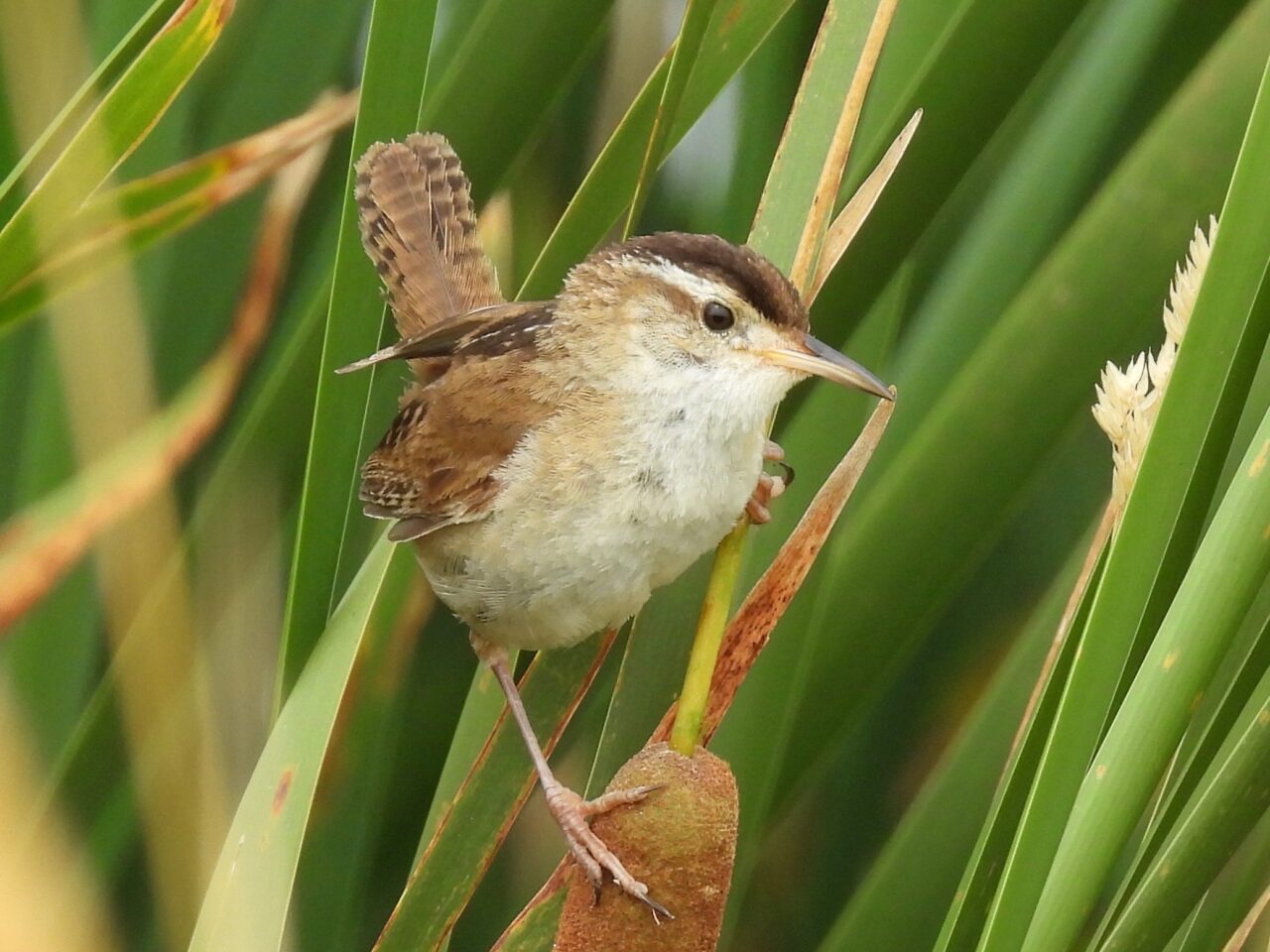
- Marsh Wren: A small, secretive songbird with a bold voice, often heard chattering from dense wetland reeds where it builds elaborate nests and flits among the cattails.
Robin’s Tip!
“This spot is absolutely worth repeat visits! There are so many factors that influence bird behaviour, so each trip to the Lagoons can bring remarkably varied sightings. I like to visit not just at different times of day but also across the seasons to take full advantage of the migratory visitors.”
Pictured: Greater Yellowlegs
The Kawarthas is a Birder’s Paradise!
These birding hotspots aren’t just scenic—they’re living classrooms. Whether you’re starting out or logging your hundredth lifer, The Kawarthas offers unforgettable birding moments. Be sure to bring your binoculars, check eBird, and don’t be surprised if you find yourself hooked on birding in this region.
Article and Photographs by Robin Morgan